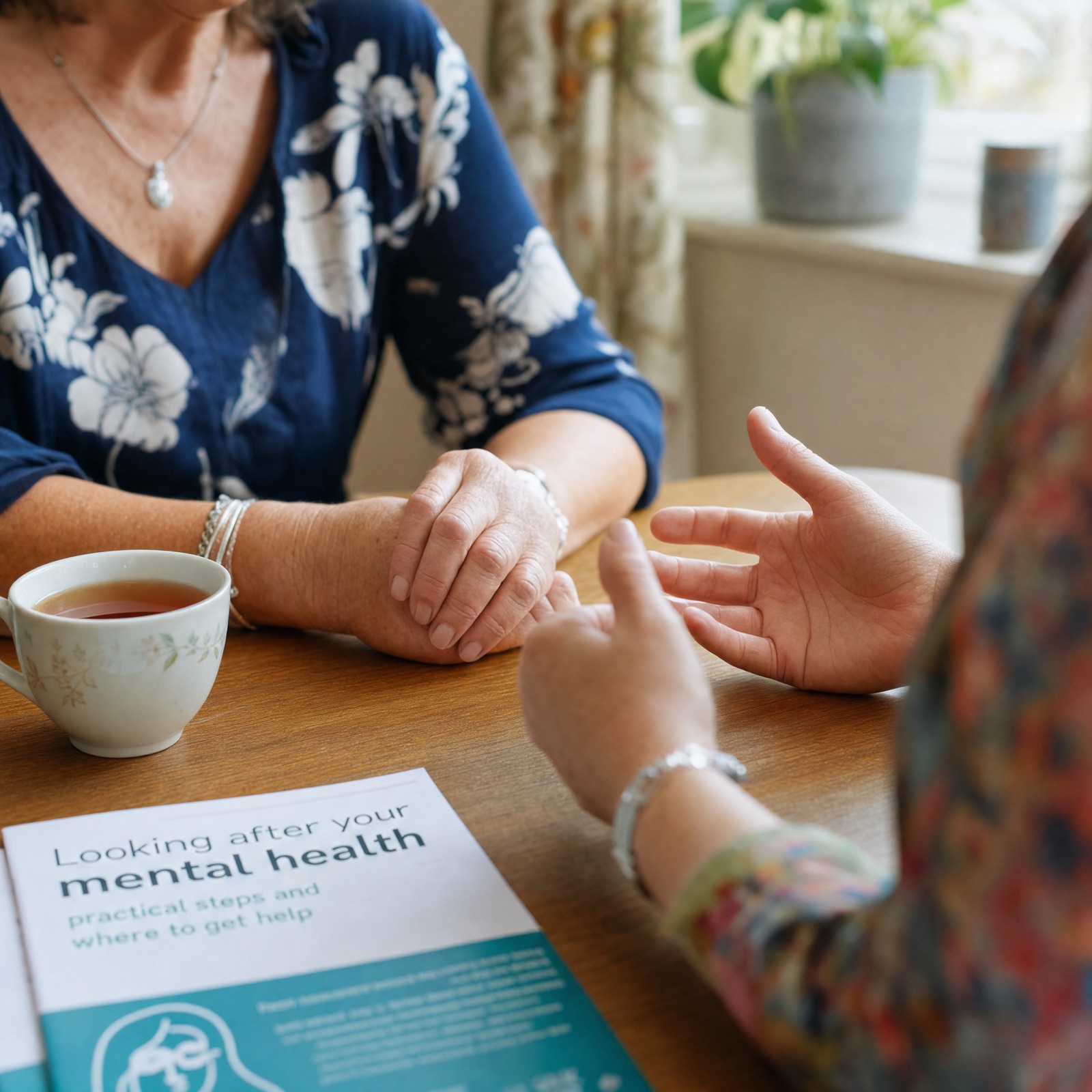

Margaret, 81, lives alone in a small cottage outside Auldearn. Since her hip replacement two years ago, the journey into Nairn has felt less like an inconvenience and more like an impossibility. The bus doesn't run past her road, and her daughter lives three hours south in Edinburgh. On a Tuesday morning in February, she heard a familiar knock. It was her Vibrant Health Advocates visitor, arriving as she does every six weeks with a bag full of leaflets, a blood pressure cuff, and, perhaps most importantly, time.
This is what the Vesta outreach programme looks like in practice. Across the cluster of villages and hamlets strung along the Moray coast near Nairn — from Cawdor to Ardersier, from Croy to the farmland settlements beyond the Nairn river — our volunteers and health workers travel to the people who can no longer easily travel to us. The work is unglamorous, unhurried, and quietly essential.
The Moray coast is beautiful, but its geography works against older residents in ways that are easy to overlook from the outside. Rural isolation is not just a feeling; it is a measurable health risk. Studies consistently show that older adults living in remote communities have higher rates of undetected hypertension, slower uptake of NHS screening programmes, and greater incidence of depression and cognitive decline. Distance from services is a direct driver of these outcomes. Our outreach visits are designed to close that gap, one doorstep at a time.
Each visit typically lasts between 45 minutes and an hour. Our team covers basic health checks — blood pressure, weight, a brief conversation about medication management — but also reviews whether the person is connected to other local services, from meals-on-wheels to the local library's large-print lending scheme. We bring printed health information in accessible formats, and we leave our contact card. Many of our visitors are, themselves, retired health professionals who bring decades of NHS experience to the role.
The referral pathways our programme has quietly built over three years are perhaps as valuable as the visits themselves. When a volunteer notices something that warrants clinical attention, they know exactly who to call. Seventeen people last year were referred for further assessment following a doorstep visit — three of those referrals led to significant diagnoses. We do not say this to claim credit for the NHS's work. We say it because it illustrates something important: proximity and trust unlock access. People will tell a familiar visitor things they would not raise with a GP receptionist over the phone.
Margaret, when asked what the visits mean to her, doesn't talk about blood pressure readings. She talks about feeling noticed. "It's not that I'm unwell," she says. "It's just nice to know someone will come. That someone's keeping an eye." That, at its simplest, is what Vibrant Health Advocates – Vesta is here to do.